
A considered start.
A clearer way forward.
Remodeling begins with understanding the home, the changes you have in mind, and how the two fit together.
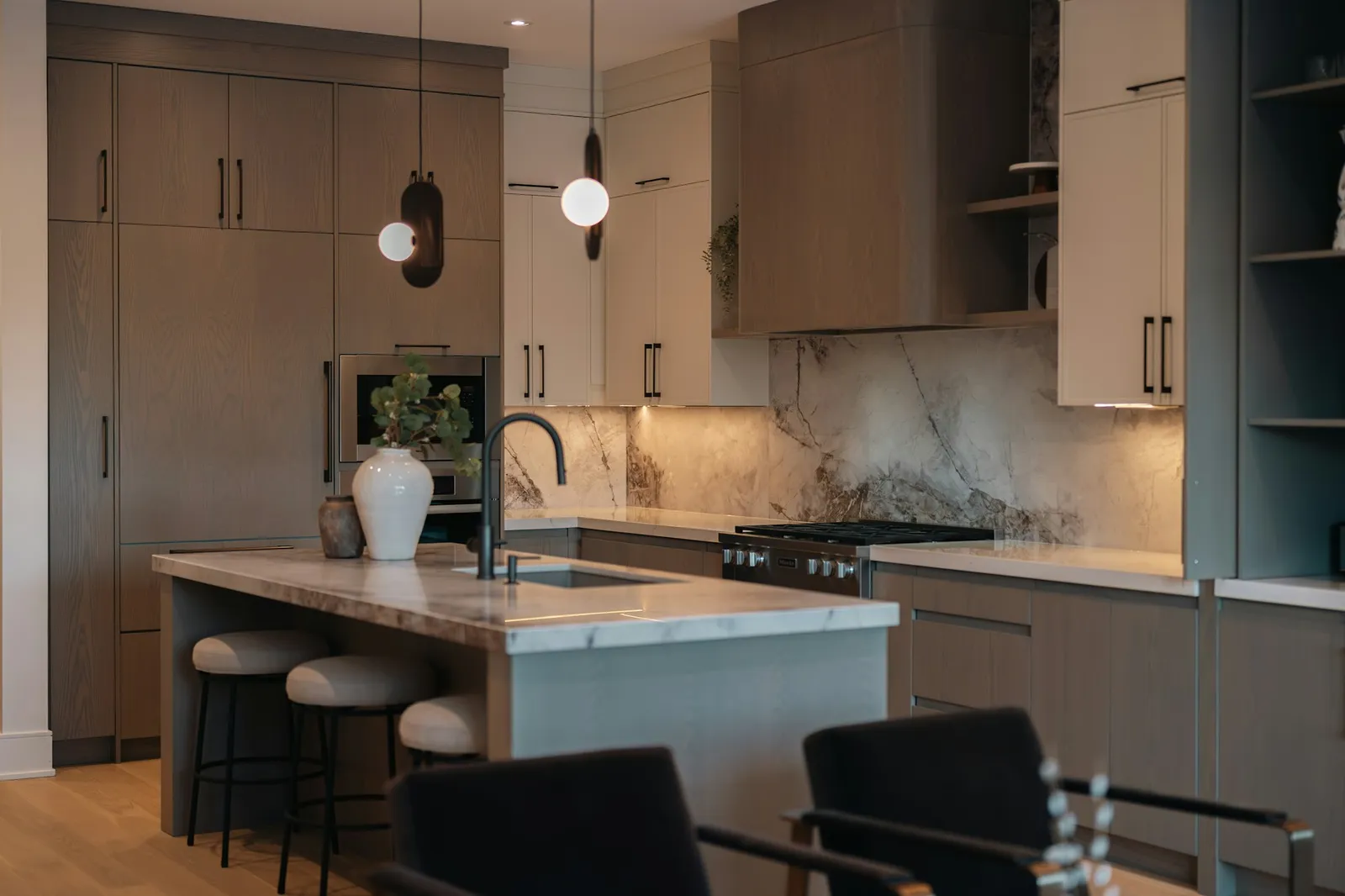
Good questions
come first.
A useful process makes room for the things you know and the things you are still figuring out.
Understand the project.
Start with the property, the spaces involved, and what you want to change. The first conversation is about your priorities, the current conditions, and what you already know.
A location, a few clear goals, and the starting point are enough to begin.
Discuss the scope.
Look at the work as a connected whole. Room layouts, surfaces, finishing, and practical constraints can affect one another. This is the time to clarify the areas involved and the decisions still to make.
Bring essential changes and open questions into the same discussion.
Agree the next step.
Once the project is better understood, discuss what needs to happen next. That may include a closer look at the property, more detail about the work, or the information needed to develop the scope.
Before moving forward, clarify responsibilities, materials, and the work being considered.
Prepare. Then carry out the agreed work.
Preparation matters: access to the home, areas that need to remain in use, material decisions, and the sequence of tasks. The agreed scope provides the basis for the work and the conversations around it.
Keep practical questions visible as the project moves from planning into work.
Bring the idea.
It can still be an idea.
You do not need a complete design, exact measurements, a fixed budget, or a final timeline to get in touch.
- The town, neighborhood, or ZIP code
- The rooms or finishing work you are considering
- What you would like to work better
- Known conditions or building requirements
- Any timing or budget preferences you want to share